
Smartlogic

אוטומציה ובקרה – PLCs Topic – Part 2

 אוטומציה ובקרה – PLCs Topic – Part 2

This articular is the third part of our  review about PLCs. After PLCs Functionality&Features and PLCs Topic – part 1 that covers the subjects of  Scan Time, System Scale, User interface & Communications, this part is about PLCs Programming, Digital and Analog Signals & PLC Advantages.

PLC– Programming

PLC programs are typically written in a special application on a PC, then downloaded by a direct-connection cable or over a network to the PLC. The program is stored in the PLC either in battery-backed-up RAM or some other non-volatile flash memory.

IEC 61131-3 defines several programming languages for programmable control systems, which emphasize logical organization of operations.

While the fundamental concepts of PLC programming are common to all manufacturers, differences in I/O addressing, memory organization and instruction sets mean that PLC programs are never perfectly interchangeable between different makers. Even within the same product line of a single manufacturer, different models may not be directly compatible.

PLC – Digital and Analog Signals

Digital or discrete signals behave as binary switches, yielding simply an On or Off signal (1 or 0, True or False, respectively). Push buttons, limit switches, and photoelectric sensors are examples of devices providing a discrete signal. Discrete signals are sent using either voltage or current, where a specific range is designated as On and another as Off. For example, a PLC might use 24 V DC I/O, with values above 22 V DC representing On, values below 2VDC representing Off, and intermediate values undefined. Analog signals are like volume controls, with a range of values between zero and full-scale. These are typically interpreted as integer values (counts) by the PLC, with various ranges of accuracy depending on the device and the number of bits available to store the data. Pressure, temperature, flow, and weight are often represented by analog signals. Analog signals can use voltage or with a magnitude proportional to the value of the process signal. Current inputs are less sensitive to electrical noise (i.e. from welders or electric motor starts) than voltage inputs.

PLC Advantages Relative to Other Control Systems

PLCs are well adapted to a range of automation tasks. These are typically industrial processes in manufacturing where the cost of developing and maintaining the automation system is high relative to the total cost of the automation, and where changes to the system would be expected during its operational life. PLCs contain input and output devices compatible with industrial pilot devices and controls; little electrical design is required, and the design problem centers on expressing the desired sequence of operations. PLC applications are typically highly customized systems, so the cost of a packaged PLC is low compared to the cost of a specific custom-built controller design.

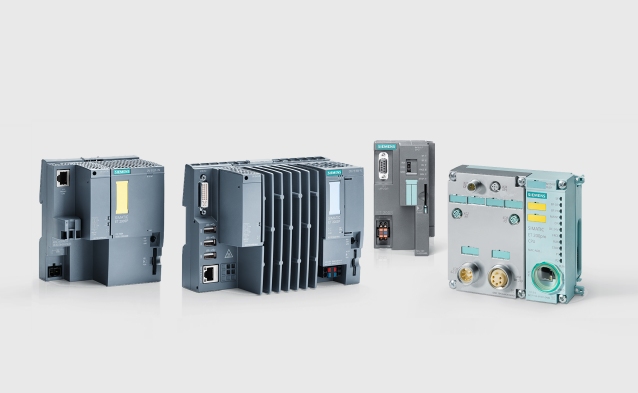
Here are some examples of the PLCs used by smartlogic: 6XV1830-0EH10, 6ES7131-4BF00-0AA0,6ES7193-4CA40-0AA0,6ES7134-4GD00-0AB0,6ES7193-4CA40-0AA0, 6ES7138-4CA01-0AA0,6ES7193-4CC20-0AA0, 6ES7590-1AB60-0AA0, 6ES7511-1AK00-0AB0, 6ES7954-8LP01-0AA0,6ES7155-6AU00-0BN0

אוטומציה ובקרה – PLC Topics – Part 1

אוטומציה ובקרה – PLC Topics – Part 1

 PLC – Scan Time

A PLC program is generally executed repeatedly as long as the controlled system is running. The status of physical input points is copied to an area of memory accessible to the processor, sometimes called the "I/O Image Table". The program is then run from its first instruction rung down to the last rung. It takes some time for the processor of the PLC to evaluate all the rungs and update the I/O image table with the status of outputs. This scan time may be a few milliseconds for a small program or on a fast PLC.

PLC – System Scale

A small PLC has a fixed number of connections built in for inputs and outputs. Typically, expansions are available if the base model has insufficient I/O.

Modular PLCs have a chassis (also called a rack) into which are placed modules with different functions. The processor and selection of I/O modules are customized for the particular application. Several racks can be administered by a single processor, and may have thousands of inputs and outputs. A special high speed serial I/O link is used so that racks can be distributed away from the processor, reducing the wiring costs for large plants.

PLC- User interface

PLCs may need to interact with people for the purpose of configuration, alarm reporting or everyday control. Human-machine interface (HMI) is employed for this purpose. HMIs are also referred to as man-machine interfaces (MMIs) and graphical user interface (GUIs). A simple system may use buttons and lights to interact with the user. Text displays are available as well as graphical touch screens. More complex systems use programming and monitoring SW installed on a computer, with the PLC connected via a communication interface.

PLC- Communications

PLCs have built-in communications ports and corresponding communications protocols, such as RS-232, EIA-485, Ethernet, Modbus, BACnet or DF1.

Most PLCs can communicate over a network to some other system, such as a computer running a SCADA (Supervisory Control And Data Acquisition) system or web browser.

PLCs used in larger I/O systems may have peer-to-peer (P2P) communication between processors. This allows separate parts of a complex process to have individual control while allowing the subsystems to co-ordinate over the communication link.

Here are some examples of the PLCs used by smartlogic: 6XV1830-0EH10, 6ES7131-4BF00-0AA0,6ES7193-4CA40-0AA0,6ES7134-4GD00-0AB0,6ES7193-4CA40-0AA0, 6ES7138-4CA01-0AA0,6ES7193-4CC20-0AA0, 6ES7590-1AB60-0AA0, 6ES7511-1AK00-0AB0, 6ES7954-8LP01-0AA0,6ES7155-6AU00-0BN0
אוטומציה ובקרה – PLC – Programmable Logic Controller

אוטומציה ובקרה – PLC – Programmable Logic Controller

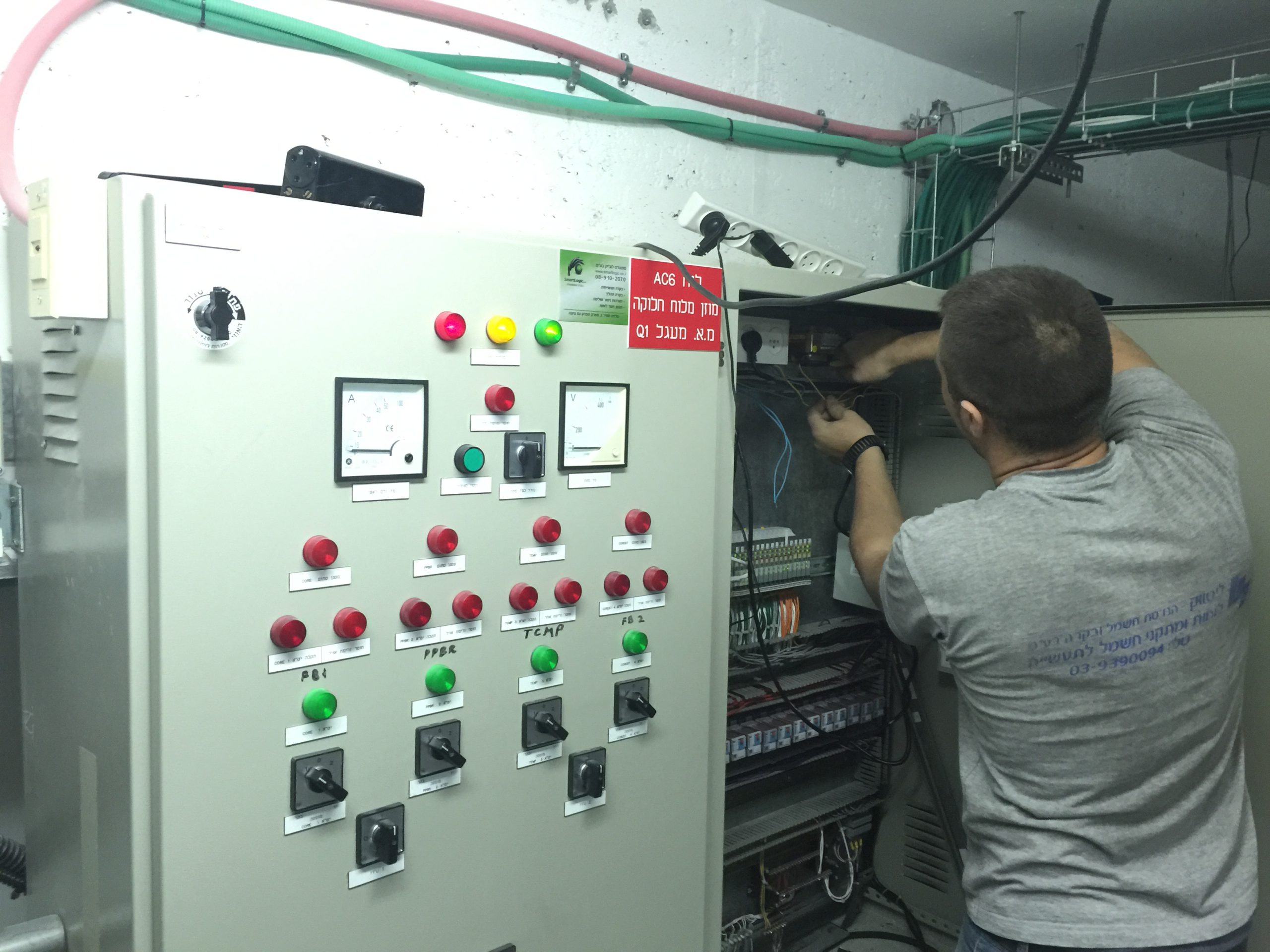
A Programmable Logic Controller – PLC is a digital computer used for automation of electromechanical processes, such as control of machinery on factory assembly lines. Unlike general-purpose computers, the PLC is designed for multiple inputs and output arrangements, extended temperature ranges, immunity to electrical noise, and resistance to vibration and impact. Programs to control machine operation are typically stored in battery-backed-up or non-volatile memory. A PLC is an example of a hard real time system since output results must be produced in response to input conditions within a limited time, otherwise unintended operation will result.

PLCs are usually programmed using application software (SW) on personal computers (PCs). The PC is connected to the PLC through Ethernet, RS-232, RS-485 or RS-422 cabling. Most PLCs used by smartlogic when designing an automation and control systems are the Siemens PLC and Allen Bradley's.The programming SW allows entry and editing of the ladder-style logic. Generally the SW provides functions for debugging and troubleshooting the PLC software, for example, by highlighting portions of the logic to show current status during operation or via simulation. The SW will upload and download the PLC program, for backup and restoration purposes.

PLC Functionality

The functionality of the PLC includes sequential relay control, motion control, process control, distributed control systems and networking. The data handling, storage, processing power and communication capabilities of some modern PLCs are approximately equivalent to desktop computers.

PLC Features

The PLC unit consists of separate elements, such as power supply, controller, relay units for in- and output

The main difference from other computers is that PLCs are armored for severe conditions (such as dust, moisture, heat, cold) and have the facility for extensive input/output (I/O) arrangements. These connect the PLC to sensors and actuators. PLCs read limit switches, analog process variables (such as temperature and pressure), and the positions of complex positioning systems. On the actuator side, PLCs operate electric motors, pneumatic or hydraulic cylinders, magnetic relays, solenoids, or analog outputs. The input/output arrangements may be built into a simple PLC, or the PLC may have external I/O modules attached to a computer network that plugs into the PLC.

 Here are some examples of the PLCs used by Smartlogic: 6XV1830-0EH10, 6ES7131-4BF00-0AA0, 6ES7193-4CA40-0AA0, 6ES7134-4GD00-0AB0, 6ES7193-4CA40-0AA0, 6ES7138-4CA01-0AA0, 6ES7193-4CC20-0AA0, 6ES7590-1AB60-0AA0, 6ES7511-1AK00-0AB0, 6ES7954-8LP01-0AA0, 6ES7155-6AU00-0BN0, 1746-NO4V, 1769-L16ER-BB1B

אוטומציה ובקרה- מהי מערכת בקרה תעשייתית?

אוטומציה ובקרה – Industrial Control System – ICS  – מערכת בקרה תעשייתיות

מערכת בקרה תעשייתית היא מונח כללי שמתייחס לסוגים שונים של מערכות בקרה שמשמשים בייצור תעשייתי, כולל: מערכת בקרה לפיקוח והשגת מידע -Supervisory Control and Data Acquisition – SCADA, מערכת בקרה  מבוזרת – DCS – Distributed Control System – , וקונפיגורציות של מערכות בקרה קטנות יותר כגון בקרים עם לוגיקה שניתנת לתכנות – Programmable Logic Controllers -PLCs שנמצאים לעתים קרובות במערכים תעשייתיים ותשתיות קריטיות.

.מערכות בקרה תעשייתיות משמשות בד"כ בתעשיות שמייצרות או מספקות מוצרים חשמליים, מים, נפט, גז, ומידע. סמארטלוג'יק מתמחה באוטומציה ובקרה, בתכנון,התקנה ותחזוק מערכות אלו

מערכת בקרה תעשייתיות לפיקוח והשגת מידע

Supervisory Control and Data Acquisition – SCADA – System

מערכת בקרה מסוג זה פועלת עם אותות מקודדים שעוברים דרך ערוצי תקשורת לאספקת בקרה על ציוד מרוחק (בד"כ ערוץ תקשורת אחד עבור תחנה מרוחקת אחת). מערכת הבקרה יכולה להשתלב עם מערכת להשגת מידע ע"י הוספת שימוש באותות מקודדות על ערוצי תקשורת, להשגת מידע על הסטאטוס של  הציוד המרוחק לצורך תצוגה או הקלטה.

מערכות בקרה אלו מבוססות על מערכות ממוחשבות שמנטרות ומבקרות תהליכים  תעשייתיים. מערכות מסוג SCADA נבדלות היסטורית ממערכות תעשייתיות אחרות עקב תהליכים בקנה-מידה גדולים שכוללים אתרים רבים מפוזרים במרחקים גדולים.

מערכת בקרה תעשייתיות מבוזרת

Distributed Control System- DCS

מערכת בקרה מסוג זה משמשת  לבקרת תהליכים  תעשייתיים כגון ייצור חשמל, זיקוק נפט וגז, אספקת מי שתייה וטיפול במי ביוב, וייצור מוצרים כימיים,  מוצרי אוכל ומכוניות. מערכות מסוג DCS משתלבות במערכי בקרה הכוללים פיקוח על תת-מערכות משולבות אחראיות על בקרת ציוד בתהליכים מקומיים.

בקרת מוצרים ותהליכים מושגת בד"כ בעזרת חוגי בקרה עם הזנה אחורה – feed-back control loop – או הזנה קדימה – feed-forward control loop, כך שתנאי המוצר או התהליך נשמרות באופן אוטומטי תוך טווח מוגדר סביב ערך נתון (set point). השגת תנאי מוצר או תהליך במסגרת טווחים מוגדרים אפשרית רק בעזרת בקרים מסוימים הניתנים לתכנות.

בקר עם לוגיקה שניתנת לתכנות – PLCs

בקר מסוג זה מספק בקרה של פעולות לוגיות בוליאניות (Boolean), קוצבי זמן, ותהליכים רציפים (בדגמים מסוימים). יחסי ההגדלה הפרופורציוניים, אינטגרליים ו/או דיפרנציאליים של הבקר בתהליכים רציפים ניתנים לכוונון כדי להשיג את דיוק הטווח מוגדר וכן את מהירות התיקון העצמי במקרה של תקלות בתהליכים. בקרים מסוג PLC  משמשים בהרחבה בתעשיות מבוססות על תהליכים. בקרים אלו  מתבססים על מחשבים שמבקרים ציוד ותהליכים תעשייתיים. אם כי בקרים מסוג PLC  מסוגלים לבקר מרכיבי מערכת שפועלים בעזרת מערכות מסוג SCADA ו- DCS, הם גם באופן תדיר משמשים כרכיבים עיקריים בקונפיגורציות של מערכות בקרה קטנות יותר. הם משמשים גם להענקת בקרה רגולטורית של תהליכים דיסקרטיים , כגון קווי הרכבת מכוניות, ובנוסף משמשים בכמעט כל תהליכי הייצור התעשייתיים.

ולידציה – GAMP-Test Execution

GAMP- Good Automated Manufacturing Practice -Test Execution

After a test is written, reviewed, perhaps rewritten, and finally approved, it is then ready for execution.

Before commencing GAMP  tests using individual Test Cases or Test Scripts, pre-requisites for the test phase should first be verified and recorded. For example:

  • Test environment hardware (HW) (e.g., serial numbers and calibration certificates if required)
  • Test software (SW) (e.g., SW baselines)
  • Data sets
  • User accounts
  • Personnel involved (e.g., documentation of names, positions and sample signatures and initials)
  • Availability of baselined documentation (including, most critically, Test Documentation and Procedures)
  • Where applicable, calibration of critical instrument inputs

Manual Test Execution

Tests should be carried out as follows:

  • Any pre-requisites for the test should first be checked, as indicated above.
  • The test is then executed following the test instructions given within the Test Script.
  • Each test should be run and the test data collected as test results.
  • The tester decides whether the acceptance criteria have been met and records whether the test has passed or failed, and then signs and dates the test results. Sometimes, a third category 'refer for review', or 'conditional pass', or 'pass with observation' is used for cases where the tester feels that an independent opinion is required.
  • Supporting documentary evidence required by the Test Case or Test Script should be collated.
  • If an incident occurs, it should be recorded on a test incident sheet (or within the test incident system) and retained as part of the test record. The key to dealing with incidents during Test Script execution is to accurately record the incident and retain sufficient information to help with future problem solution.
  • It is helpful to maintain a test progress summary for recording overall test results and number of test runs. Depending on the company test policy, this summary may be regarded purely as a status and scheduling tool, or may form part of the post-execution review, and may be included in the Validation Report as a GxP document.
  • After completion of all tests or a group of tests (e.g., at the end of the day), there should be a review of the progress. A review group should assess all tests and incidents.

Possible actions for failed tests and incidents are:

  • Repeat the test.
  • Apply a change via change control and, if necessary, repeat the test.
  • Abandon one, several, or all tests.
  • Review the result, and upgrade it to a 'pass' status (with a record of the rationale for the change in status).

The review group should decide which course of action  to take and what retesting is required, and document the justification for the action(s). In my next post I will elaborate more on: Automated Test Execution (and Computerized Test Management Tools).


אוטומציה ובקרה- סקירה קצרה על בקרי SIMATIC של חברת Siemens

אוטומציה ובקרה- והפעם קצת על בקרי SIMATIC  של חברת Siemens

בקרי SIMATIC  הוא אחד מהמוצרים המובילים בהם משתמשת סמארט לוג'יק במערכות האוטומציה ובקרה אותם היא מתכננת ומבצעת.   במאמר זה נסקור את בקרי SIMATIC המבוססים על מחשבים אישיים (PCs) ובקרים עם לוגיקה שניתנת לתכנות PLCs- Programmable Logic Controllers .

בקרים אלו משמשים לבקרת מבני משרדים ותעשיה, יצור ותהליכים טכנולוגיים, אפליקציות נפרדות (stand-alone) ומורכבות ביותר. טווח השימושים של בקרי SIMATIC  נע החל ממודולים לוגיים, בקרים בסיסיים, מתקדים, מבוזרים, ועד בקרי תוכנה. בנוסף לפונקציונליות מתקדמת, הדור החדש של בקרי SIMATIC  מעניק יתרונות של עקביות בסטנדרט Totally Integrated Automation (TIA) Portal ufi בטחון והגנה ברמה גבוהה.

בקרי SIMATIC עם לוגיקה שניתנת לתכנות (SIMATIC PLCs)

בקרי SIMATIC מספקים פתרונות למשימות אוטומציה מגוונות. כל מכונה או מפעל ייצור מצריכים מגוון בביצועים מערכתיים ובמורכבות התהליכים. חברת Siemens מספקת פתרונות בקרה למגוון הדרישות לכל סוג אפליקציה. לדוגמה:

בקרים בסיסיים (Basic Controllers) מסוגS7-1200  לאפליקציות פשוטות ונפרדות.
בקרים מתקדמים(Advanced Controllers)  מסוגS7-1500  לאפליקציות בינוניות ומורכבות.
בקרים מבוזרים (Distributed Controllers) מסוגET-200SP  לאפליקציות מבוזרות.
בקרי תוכנה (Software Controllers) מסוגS7-1500  לאפליקציות מבוססות על מחשבים אישיים.

בקרי SIMATIC ויתרונותיהם

בקרי SIMATIC  נוחים לעבודה הודות לנוחות וההתאמה שלהם לשימושים שונים, ועקביות בפונקציונליות שלהם. גיוונם מאפשר בחירה אופטימלית לכל אפליקציה. התוכניות למשתמש של בקרי SIMATIC הן בד"כ זהות בעיצובם ודרך שימושם. הודות לעקביות של סטנדרט TIA Portal, פונקציות התוכנה והחומרה הרב-תחומיות מאפשרות פתרונות יעילים בכל פעילות אוטומציה.

בקרי SIMATIC בסיסיים

בקרי SIMATIC  בסיסיים מסוג S7-1200  מספקים תוצאות משכנעות הודות לטווח המקיף של הפונקציות הטכנולוגיות ושל הכניסות/יציאות (I/Os)  המשולבות שלו, כל אלו מסופקות במארז קומפקטי ונפח מצומצם.

בקרי SIMATIC מתקדמים

בקרי SIMATIC  מתקדמים מתאימים במיוחד לאפליקציות מורכבות ובקנה-מידה בנוי. בקר SIMATIC  מסוג S7-1500  ירש בטווח הארוך את הבקרים מסוג S7-300  ו-S7-400  ומהווה את הסטנדרט למפעלים העתידיים, הודות לטווח המקיף. בקר זה מספק ביצוע ייחודי ייצוב חדשני. ניתן להרחבה מודולרית, הגנה בפני רעידות, ללא צורך בתחזוקה, שינוי בקנה מידה, וקונפיגורציה TIA Portal .

בקרי SIMATIC מבוזרים

ביזור הבקרה תורם בעיקר לתוספת משמעותית בגמישות בייצוב המכונות והמפעלים, ולכן מתחיל להוות גורם תחרותי מכריע. הגדלת הרשתות מקלה על שילוב של יחידות שפועלות באופן עצמאי ברמת השדה בתקשורת משולבת. מערכת SIMATIC ET 200 I/O  ניתנת להגדלה עם בקרים משולבים מתקדמים. הבקרים המבוזרים מסוג SIMATIC ET 200 CPU  משלבים קומפקטיות וגמישות. בקרים מבוזרים מספקים פתרון מושלם לאפליקציות סטנדרטיות ומניעת תקלות, במיוחד בטווח ביצוע בינוני עבור מכונות עם בקרה מבוזרת או מכונות סדרתיות ממוקמות בנפח מצומצם. חוץ מהבקרים המבוזרים מסוג SIMATIC ET 200 CPU, והבקר הפתוח החדש מסוג SIMATIC ET 200SP, תלקיט הבקרים המבוזרים כולל גם דגמים שמשולבים במערכות SIMATIC ET 200S ו- SIMATIC ETpro.

בקרי תוכנה

בקר התוכנה מסוג S7-1500  מתאים במיוחד לבקרה גמישה של מכונות מיוחדות עם ביצועים ודרישות פונקציונליות גבוהות, העצמאות המוחלטת של תוכנת הבקר ממערכת ההפעלה הוכיחה את הגברת הגישה למערכת. בקר התוכנה מסוג S7-1500  מספק את היתרונות של הבקר הסטנדרטי מסוג S7-1500  במחשבים אישיים תעשייתיים עם ביצועים גבוהים. מצב זה מאפשר שימוש עם נוחות מרבית. השימוש ב- TIA Portal מוסיף הנדסה יעילה.

סמארטלוג'יק הינה נציגה בלעדית של Siemens בארץ לתמיכה במערכת PCS7 ועובדת על בסיס קבוע, עם מרכז התמיכה העולמי בגרמניה באמצעות מערכת בקרת איכות מחמירה העומדת בתקן   ISO9000

הגדרת כרטיס IF8U

על מנת להגדיר את הכרטיס IF8U  נצטרך לבצע את השלבים הבאים:

על מנת להגדיר את הכרטיס IF8U  נצטרך לבצע את השלבים הבאים:

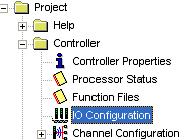
1)      כדי להיכנס לתוכנת הבקר RS500  נלחץ עלIO configuration  .

2)      יפתח לנו החלון הבא – ונבחר בכרטיס  Other.


3) נבצע לחיצה כפולה על הכרטיס ויפתח לנו המסך הבא (נגדיר את ההגדרות בדיוק לפי מה שמופיע כאן).

וזהו – סיימנו להגדיר את הכרטיס. אם נרצה להוסיף כרטיסים נוספים מאותו סוג נחזור על אותה הפעולה.

  • לגבי ה-scaling  של הכרטיס: ערך מקסימלי 20000 ערך מינימלי 4000 , ערך 21000 תקלת מכשיר וערך 3200 מסמן חיווט פתוח.

אוטומציה ובקרה – מערכות ובקרי אלן ברדלי( Allen-Bradley)

מוצרי אוטומציה והפעם קצת על בקרי אלן ברדלי ( Allen-Bradley)

Allen-Bradley הוא אחד מקווי מוצרי אוטומציה בהם משתמשת סמארט לוג'יק במערכות הבקרה והאוטומציה אותם היא מתכננת ומבצעת. אלו  בקרים עם לוגיקה שניתנת לתכנות PLCs- Programmable Logic Controllers , ממשקי אדם-מכונה  (HMIs- (Human-Machine Interfaces , גששים, רכיבי ומערכות בטחון, תוכנה, מערכות הנעה, מרכזי בקרת מנועים, ומערכות מורכבות מהמוצרים הנ"ל ומוצרים אחרים.

בקרים שניתנים לתכנות (Programmable Controllers)

החל מהבקרים מסוג PLC המקוריים שפותחו בשנות ה- 70, ועד הטכנולוגיה שבעזרתה מפתחים בקרי אוטומציה שניתנים לתכנות  PACs- Programmable Automation Controllers,שמאפשרים שימוש בתחומים וסוגי מידע שונים.

ישנן מערכות בקרה בשלושה גדלים שונים בהם ניתן להשתמש בבקרי אלן ברדלי  Allen-Bradley : גדולות , קטנות ובמידות מיקרו וננו  (Micro & Nano)

מערכות בקרה גדולות  –   Large Control  Systems 

מערכות הבקרה הגדולות מתאימים לפתרונות האפליקציות התובעניות ביותר של הצרכנים. הן מאפשרות ארכיטקטורות מודולריות וגיוון רב של סוגי כניסה/יציאה (I/O) ורשתות. הפתרונות רבי העוצמה מספקים יכולות לכל תחומי הבקרה, מתהליך, בטחון ועד תנועה. המערכות מעוצבות לאפליקציות בקרה מבוזרות או לצורך פיקוח. הבקרים מסוג PLC ו- PAC מספקים אמינות ויכולות ביצוע יוצאות מהכלל.

דגמי מערכות גדולות:

1756 ControlLogix Control System
1756 GuardLogix Integrated Safety System
GuardPLC Safety Control Systems
PLC-5 Control System
SoftLogix Control System

מערכות בקרה קטנות  Small Control Systems 

מערכות הבקרה הקטנות מהוות פתרונות מושלמים לאפליקציות בגודל בינוני. הן מספקות תכונות וגמישות הנדרשות לאפליקציות בגודל זה, ללא צורך בהוצאות מיותרות של שימוש במערכות גדולות. הן כוללות בקרים אמינים במבנה מעוצב באריזות ומודולים. אפליקציות אופייניות של מערכות אלו כוללות בקרה של מכונות מורכבות, עיבוד אצוות (batch processing) ואוטומציה בבניינים.

דגמי מערכות קטנות:

Compact GuardLogix Safety Controllers
CompactLogix Control Systems
SLC 500 Control System

SmartGuard 600 Controllers

מערכות במידות מיקרו וננו  Micro & Nano Control Systems

מערכות אלו כוללות בקרים מסוג PLC במידות מיקרו וננו שמספקים פתרונות כלכליים לצרכי בקרה בסיסיים של מכונות פשוטות, החל משימוש במקום ועד תזמון ולוגיקת בקרה פשוטים. האריזה הקומפקטית, מערכי כניסה/יציאה  (I/O)ותקשורת משולבים, וקלות בשימוש הופכים את הבקרים האלו לפתרון האידאלי לאפליקציות כגון אוטומציה של תנועת מסועים, מערכות בטחון, ותאורת בניינים ואזורי חנייה.

דגמי מערכות במידות מיקרו וננו:

Micro800 Control Systems
MicroLogix Control Systems
Pico Control System

תוכלו לקבל שרותים המסתמכים על ידע וניסיון רב בעבודה עם מערכות מים , RO ,CIP, מזקקות, מערכות HVAC ,Utilities, ומודולים מוכנים סטנדרט S-88 שפיתחנו עבור מערכות אלו בסמארט לוג'יק

אוטומציה וסוגי מערכות בקרה

אוטומציה או בקרה אוטומטית היא שימוש במערכות בקרה להפעלת ציוד כגון מכונות, תהליכי  יצור בבתי חרושת, דודים ותנורי חימום, מיתוג ברשתות טלפוניות, הכוונה וייצוב של אניות וכלי טיס, ושימושים אחרים, תוך מעורבות מינימלית או פחותה של בני אדם. תהליכים מסוימים מתבצעים באופן אוטומטי לחלוטין.

בקרה ואוטומציה : היתרון הגדול ביותר של אוטומציה הוא החיסכון בעבודה, אך השימוש בה מאפשר גם חיסכון באנרגיה וחומרים, ומשפר את הדיוק בעבודה ואיכות המוצרים.

אוטומציה הושגה באמצעים שונים  -מכניים, חשמליים, הידראוליים, פנאומטיים, חשמליים, אלקטרוניים ומחשבים, בד"כ תוך שימוש משולב. מערכות מורכבות, כגון בתי חרושת מודרניים, אניות וכלי טיס כוללות שימוש משולב באמצעים הנ"ל.

סוגי בקרה ואוטומציה

אחד מסוגי הבקרה הפשוטים ביותר הוא פתוח/סגור (on/off). דוגמה לסוג זה הוא תרמוסטט בשימוש במתקנים ביתיים.  אם כי מבחינה טכנית תרמוסטט הוא סוג של אוטומציה, היכולות שלו הן פרימיטיביות.

בקרה ואוטומציה סדרתית (sequential control), שבה  מתבצעת סדרה מתוכנתת של פעולות דיסקרטיות, מבוססת לעתים קרובות על מערכת לוגית שכוללת סדרה מסודרת של מצבי מערכת. מע' בקרת מעלית היא דוגמה לבקרה סדרתית.

 אוטומציה מהסוג המתקדם שגרמה למהפכה בתהליכי יצור, מטוסים, תקשורת ותעשיות אחרות זו בקרה עם משוב (feedback control), שהיא בד"כ רציפה (continuous), וכוללת מדידות בעזרת חיישנים  (sensors) וביצוע כיוונונים (adjustments) מחושבים לשמירת הערך של משתנה נמדד בטווח ערכים שנקבע מראש.

מעגל פתוח וסגור (open and closed loop)

מערך כל המרכיבים שמבצעים מדידה ובקרה של משתנה נקרא מעגל בקרה (loop control). מערך בקרה שעושה שימוש באות נמדדת, מזין את האות בחזרה ומשוה את ערכה עם ערך נתון (set point), מחשב ושולח אות חוזרת  לביצוע תיקון, נקרא בקרה אוטומציה במעגל סגור (loop control closed). אם מערך הבקרה לא כולל משוב לביצוע תיקון המערך פועל במעגל פתוח (loop (open. מעגל בקרה ואוטומציה(loop control) מתבצע בד"כ בעזרת בקר (controller).

בקרה רציפה (sequential control)

בקרה רציפה יכולה להתבצע לפי רצף קבוע (fixed sequence) או רצף לוגי, שבו מתבצעות פעולות שונות לפי מצבי המערכת המשתנים. מצבים אלו יכולים לקרות כאשר משתמשים במערכת ברצף תרחישים שונים. דוגמה לסוג בקרה רציפה היא זו המתבצעת במעלית, שמשתמשת בלוגיקה שמתבססת במצב המערכת לצורך ביצוע פעולות בתגובה למצב הנוכחי והוראות המשתמשים.

בפיתוח מוקדם של בקרה רציפה נעשה שימוש בלוגיקה עם ממסרים (relay logic), שבה ממסרים חשמליים חיברו בין מגעי חשמליים כדי להתחיל או להפסיק את פעולת מכשיר חשמלי.

בקרה ממוחשבת (computer control)

מחשבים מסוגלים לבצע גם בקרה סדרתית (sequential control) ובקרה עם משוב (feedback control), ובמקרים רבים מחשב אחד מבצע את שני סוגי הבקרה בישום תעשייתי. בקרים עם לוגיקה שניתנת לתכנות  (- PLCs Programmable Logic Controllers( הם מיקרופרוססורים מיוחדים שמסוגלים להחליף ככיבי חומרה רבים, כגון קוצבי זמן (timers) ושומרי רצף (sequencers) שבהם משתמשים או השתמשו במערכות עם ממסרים חשמליים. מחשבים לבקרת תהליכים  (process control computers( לצרכים כלליים החליפו באופן הדרגתי את הבקרים הנפרדים (stand-alone controllers), וכתוצאה מחשב אחד מסוגל לבצע פעולות בקרה שהיו מבוצעים ע"י מאות בקרים נפרדים. מחשבים מסוג זה מסוגלים לעבד מידע מרשת של בקרים מסוג PLC, מכשירים ובקרים שונים ( כגון בקרים מסוגPID  – Proportional-Integral-Derivative) כדי לממש בקרה ואוטמציה אופיינית של משתנים נפרדים רבים, או לממש אלגוריתמים מורכבים לצורך בקרה, תוך שימוש בנתוני כניסה רבים ומניפולציות מתמטיות. הם גם מנתחים נתונים ויוצרים מצגות גרפיות בזמן אמת ודו"חות עבור המפעילים, המהנדסים והמנהלים.

כלי אוטומציה

מהנדסים מסוגלים עכשיו לבצע בקרה נומרית (numerical control) של מכשירים אוטומטיים. התוצאה  היא טווח של אפליקציות ופעילויות שגדל במהירות. טכנולוגיות שנעזרות במחשבים  (Computer-Aided Technologies) משמשות עכשיו כבסיס לכלים מתמטיים וארגוניים לפיתוח מערכות מורכבות. שתי דוגמאות בולטות של תוכנות  בשימוש הן: CAD Computer-Aided Design) (ו-  CAM Computer-Aided Manufacturing)).

טכנולוגיית האינפורמציה, ביחד עם המכשור והתהליכים התעשייתיים החדשניים, עוזרים בייצוב, מימוש וניטור של מערכות הבקרה. עוד דוגמה של מע' בקרה תעשייתית היא הבקר מסוג PLC. בקרים אלו הם מחשבים מחוזקים בשימוש תדיר בסנכרון זרימה של נתוני כניסה מגששים עם זרימה של נתוני יציאה למכשירי הפעלה.

ממשקי אדם-מכונה (- HMIs Computer-Human Interfaces ) משמשים לתקשור המפעילים עם בקרי PLC ומחשבים אחרים.

להלן רשימה של חלק מכלי האוטומציה העיקריים:

  1. DCS – Distributed Control System
  2. HMI – Human Machine Interface
  3. SCADA – Supervisory Control and Data Acquisition
  4. PLC – Programmable Logic Controller
  5. Instrumentation
  6. Motion control
  7. Robotics


  • סמארט לוג'יק מתמחה בתכנון וביצוע פרויקטים הנדסיים בתחום הבקרה האוטומציה, בקרה מפעלית, בקרות תהליךבקרות מבנה  BMS.

MicroLogix 1400 PID Tuning for AHU – בקרה ואוטמציה

בקר מיקרולוג'יקס 1400 מכיל 3 שלוש יחידות PID:

בקרת חימום:

עבודה מול TT-SP-0.1

ערכי PID

0.1-P

0.1-I

0.D-0

לולאה של שתי שניות

תנאי עבודה:

יציאת בקרת קירור שווה ל0

אין התראת TS

בקרת קירור:

עבודה מול TT-SP+0.1

ערכי PID

0.2 -P

0.1-I

0.D-0.

לולאה של שתי שניות

 תנאי עבודה:

יציאת בקרת חימום שווה ל0

בקרת לחות:

עבודה מול HT-SP

ערכי PID

0.2- P

0.1-I

0.D-0

לולאה של שתי שניות

 תנאי עבודה:

תמיד פועל

 ברז הקירור יפעל ע"פ היציאה הגדולה יותר מבין בקרת הלחות ובקרת הקירור.

דוגמא להגדרות עבור PID :