
Smartlogic

ולידציה – FSD – System Functions and Facilities

ולידציה – FDS – System Functions and Facilities

 This article was written by Iian Shaya, validation,automation and control expert

.The Function Design Specification (FDS) is part of the validation documentation. In this article I will continue to elaborate the  parts of the FSD of system function and the system facilities

Modes of Operation

This section details all modes of operation for the system, including

Automatic/Manual

Start-up/Shutdown

Overrides

Emergency Shutdown

System Failure and Recovery

Functional Operation

This section divides each of the sequential functions into logical areas (determined by the process), and provide complete description of each function, including

Normal Control Functions – such as normal sequencing, control, etc

Interlocks – details of all interlocks within the function

Alarms – lists of all associated alarms and actions for recovery

Operator Requirements

This section describes the interface between the operator and the detailed function. It is probably the most important to the user during the design phase, as it fully details all the functions to be supplied by the system in order to meet the user's requirements. It must be written clearly and concisely, so that operators and users without technical background can visualize the system to be supplied. Inputs from the user should be clearly detailed so that the operational requirements can be determined

Human/Machine Interface – HMI

This section describes in detail all points of operation, local terminals, remote terminal, message displays, pushbutton stations, etc

Where computerized interfaces are used, such as SCADA or HMI, a list of the screens and the proposed content should be included

Dynamic Attributes – dynamic color changes for status

Display Values – Values to be displayed on screen and resolution- No. of decimal places

Input Devices – Operator interaction devices, mouse, keyboard, touch screen, etc

Alarm and Event Displays

Security – Password Access

System Data

All the data gathered, generated or calculated by the system should be detailed. The detailed data should include

Type

Range

Accuracy/Resolution

Scaling

All the data to be stored should be detailed. This includes historical trend data, alarms and events, taking into consideration the following

Location of data to be stored – fixed disk, floppy disk, etc

Retention period – length of time for the data to be maintained

Data Archive – procedures for backup to removable medium

Data Export – export facilities to other formats, such as Excel, Access, Lotus, etc

System interfaces

This section provides complete details of all inputs and outputs from the control system. When separate I/O schedules are generated, these documents must be referenced in the FDS, or else, the complete schedules must be included in the FDS appendix

For digital and analog I/O, this section should provide details of voltage, current, etc., being specific where interfacing to 3rd party equipment. The signal states should be included as follows

Digital inputs – two states

False or Off

True or On

Analog inputs – detailed range

Detailed communication interfaces between systems should include protocols and formats, and also provide complete details of data to be transferred, paying special attention to 3rd party devices

 This article was written by Iian Shaya, validation,automation and control expert

אילן שעיה ilan Shaya

ולידציה – GAMP – Test Example – part 1

Good Automated Manufacturing Practice (GAMP) – Test Example

Testing Process Automation Systems

This article cover  the first part of  our  Good Automated Manufacturing Practice (GAMP) test example.

                                     Definitions

This section provides brief descriptions of three different types of process control systems.

                  Configurable Equipment

Configurable Equipment is the collective name given to simple configurable instruments/ devices, such as 3-term controllers, check scales, bar code readers, etc. Their functionality depends on that their configuration setup meets the process requirements. The software (SW) components of these systems are typically defined as GAMP SW Category 2.

                    Embedded Systems

Embedded Systems is the collective name for systems with a greater degree of configuration and programmability. Devices such as Integrated Circuits (ICs) with configuration setups and Programmable Logic Controllers (PLCs), which are supplied as an integral part to an item of process equipment, e.g., PLCs controlling a centrifuge or packaging machine, or IC embedded in High Performance Liquid Chromatography (HPLC) systems. Embedded Systems typically contain SW components belonging to multiple GAMP categories.

                 Stand-Alone Systems

Stand-Alone Systems is the collective name for large programmable control systems having distributed functionality across a network, e.g., Distributed Control Systems (DCSs), and Supervisory Control and Data Acquisition (SCADA). They are engineered as an entity to control a complete plant. Stand-Alone Systems typically contain SW components belonging to multiple GAMP categories.

                      Testing and the GAMP Life Cycle 

     Stand-Alone Systems

A process automation system developed for a new application typically requires some or all of the following test phases:

Suppliers Module Testing

Suppliers Module Integration Testing

Suppliers Integration Testing

Factory Acceptance Test (FAT)

Site Acceptance Test (SAT)

Installation Qualification (IQ)

Operation Qualification (OQ)

Performance Qualification (PQ)

The exact combination of testing required for a particular system should reflect its complexity, the maturity of its underlying SW and hardware (HW) elements, and the risk impact on product quality, patient safety and data integrity. Collectively these will determine the risk priority. The phrase 'low risk' should be understood as 'having a low risk priority, as determined by a formal risk assessment'.

Testing of modifications, patches or upgrades should be related to the risk priority of the change. For example, it may be appropriate for parameter changes to be applied directly to the production environment, assuming that the system have been range checked for such parameter.

End of ולידציה – GAMP – Test Example – part 1

אוטומציה ובקרה – מערכות SCADA ו- DCS

אוטומציה ובקרה – מערכות SCADA ו- DCS

שתי מערכות חשובות בתחום מערכות בקרה תעשייתיות Industrial Control System – ICS – הן:

  • Supervisory Control and Data Acquisition – SCADA
  • Distributed Control System – DCS


SCADA היא מערכת שפועלת בעזרת אותות מקודדות דרך ערוצי תקשורת ומספקת בקרה על ציוד בשלט רחוק (תוך שימוש אופייני בערוץ תקשורת אחד עבור תחנה מרוחקת אחת). מערכת הבקרה ניתנת לשילוב עם מערכת להשגת מידע ע"י הוספת שימוש באותות מקודדות דרך ערוצי תקשורת להשגת מידע על הסטטוס של הציוד המרוחק לצורך תצוגה או רישום של הפונקציות.

מערכת  SCADAכוללת בדרך כלל את התת-מערכות הבאות:

  • ממשק אדם-מכונה (HMI – Human-Machine Interface), שמציג מידע על התהליך למפעיל, וכך מאפשר למפעיל לנתר ולבקר את התהליך.
  • מערכת פיקוח, שצוברת מידע על התהליך ושולחת הוראות כדי לבקר את אותו תהליך.
  • יחידות מסוף רחוקות RTUs) – Remote Terminal Units ), שמתחברות לגששים (sensors), ממירים את אותות הגששים לנתונים דיגיטליים, ושולחים את הנתונים הדיגיטליים למערכת הפיקוח.
  • בקרים לוגיים שניתנים לבקרה (PLCs – Programmable Logic Controllers ), שמשמשים כמתקני שדה, מכיוון שהם יותר כלכליים, מגוונים, גמישים וניתנים לתצורה (configuration) מיחידות RTU בשימושים מיוחדים.
  • תשתית תקשורת, שמקשרת את מערכת הפיקוח ליחידות RTU.


DCS היא מערכת בקרה עבור תהליך או מתקן, שבה רכיבי הבקרה ממוקמים בפיזור במערכת המבוקרת. מערך זה מבדיל את ה- DCS ממערכות לא מפולגות, שמשתמשות בבקר יחיד במיקום מרכזי. DCS משתמשת בצורה אופיינית במעבדים (processors) מותאמים למשימה, שמאורגנים בהיררכיה ומקושרים ע"י רשתות תקשורת לצורך ניתור ובקרה.


ההבדלים העיקריים ביןSCADA  ו- DCS הם:

  • SCADAמותאמת להשגת מידע, בעוד ש- DCS מותאמת לבקרת תהליך.
  • SCADA מונעת לצורך אירוע (event), בעוד ש – DCS מונעת לצורך תהליך (process).
  • SCADA עדיפה לאפליקציות מפוזרות במיקומים גאוגרפיים נרחבים, בעוד ש- DCS משמש בד"כ לטיפול בתהליכים שמתנהלים במקום אחד.
  • SCADA אמורה לתפקד למרות תקלה בתחום התקשורת, בעוד שתחנות מפעילי ה- DCS תמיד מחוברות לכניסה/יציאה (I/O -Input/Output).

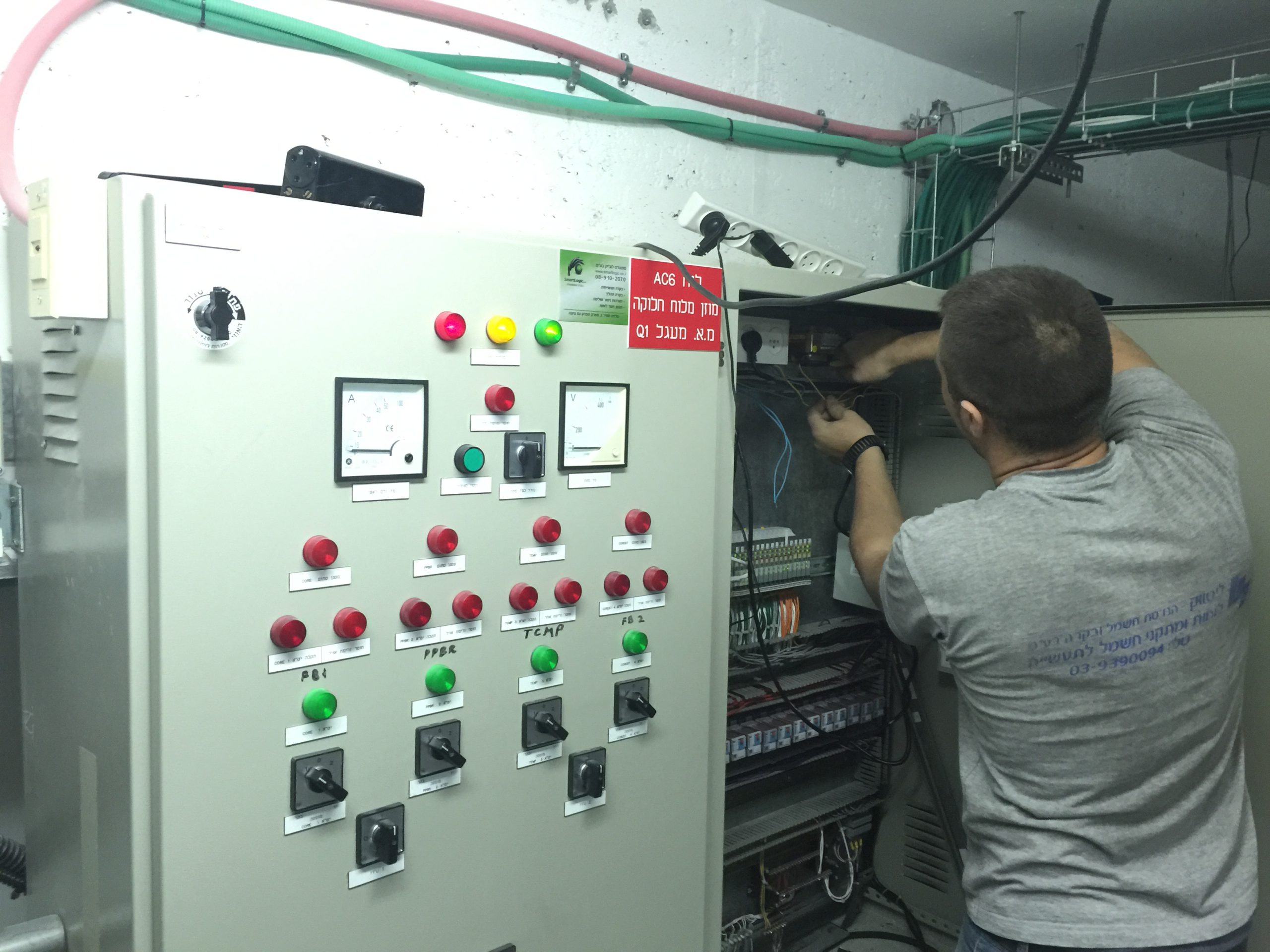
לחברת סמארט לוג'יק צוות מומחים בעלי שם וניסיון רב,  דרך שיטות עבודה מתקדמות הדוגלת במודולאריות וסדר, פיתחנו בסמארט לוג'יק שיטה המאפשרת השלמת פרויקטים מורכבים, יעילים ואיכותיים תוך   שמירה על לוח זמנים קצר במיוחד ומחיר תחרותי.  החברה מספקת תכנון והקמת מערך אוטומציית בקרה של מתקן יצור שלם, בקרה ואוטומציה למערכות טיפול במים, בקרות למערכות חימום, אוורור ומיזוג אוויר  (תמונה) (HVAC) תואמים את דרישות המנהל האמריקאי (FDA) ועוד.


אוטומציה ובקרה- מהי מערכת בקרה תעשייתית?

אוטומציה ובקרה – Industrial Control System – ICS  – מערכת בקרה תעשייתיות

מערכת בקרה תעשייתית היא מונח כללי שמתייחס לסוגים שונים של מערכות בקרה שמשמשים בייצור תעשייתי, כולל: מערכת בקרה לפיקוח והשגת מידע -Supervisory Control and Data Acquisition – SCADA, מערכת בקרה  מבוזרת – DCS – Distributed Control System – , וקונפיגורציות של מערכות בקרה קטנות יותר כגון בקרים עם לוגיקה שניתנת לתכנות – Programmable Logic Controllers -PLCs שנמצאים לעתים קרובות במערכים תעשייתיים ותשתיות קריטיות.

.מערכות בקרה תעשייתיות משמשות בד"כ בתעשיות שמייצרות או מספקות מוצרים חשמליים, מים, נפט, גז, ומידע. סמארטלוג'יק מתמחה באוטומציה ובקרה, בתכנון,התקנה ותחזוק מערכות אלו

מערכת בקרה תעשייתיות לפיקוח והשגת מידע

Supervisory Control and Data Acquisition – SCADA – System

מערכת בקרה מסוג זה פועלת עם אותות מקודדים שעוברים דרך ערוצי תקשורת לאספקת בקרה על ציוד מרוחק (בד"כ ערוץ תקשורת אחד עבור תחנה מרוחקת אחת). מערכת הבקרה יכולה להשתלב עם מערכת להשגת מידע ע"י הוספת שימוש באותות מקודדות על ערוצי תקשורת, להשגת מידע על הסטאטוס של  הציוד המרוחק לצורך תצוגה או הקלטה.

מערכות בקרה אלו מבוססות על מערכות ממוחשבות שמנטרות ומבקרות תהליכים  תעשייתיים. מערכות מסוג SCADA נבדלות היסטורית ממערכות תעשייתיות אחרות עקב תהליכים בקנה-מידה גדולים שכוללים אתרים רבים מפוזרים במרחקים גדולים.

מערכת בקרה תעשייתיות מבוזרת

Distributed Control System- DCS

מערכת בקרה מסוג זה משמשת  לבקרת תהליכים  תעשייתיים כגון ייצור חשמל, זיקוק נפט וגז, אספקת מי שתייה וטיפול במי ביוב, וייצור מוצרים כימיים,  מוצרי אוכל ומכוניות. מערכות מסוג DCS משתלבות במערכי בקרה הכוללים פיקוח על תת-מערכות משולבות אחראיות על בקרת ציוד בתהליכים מקומיים.

בקרת מוצרים ותהליכים מושגת בד"כ בעזרת חוגי בקרה עם הזנה אחורה – feed-back control loop – או הזנה קדימה – feed-forward control loop, כך שתנאי המוצר או התהליך נשמרות באופן אוטומטי תוך טווח מוגדר סביב ערך נתון (set point). השגת תנאי מוצר או תהליך במסגרת טווחים מוגדרים אפשרית רק בעזרת בקרים מסוימים הניתנים לתכנות.

בקר עם לוגיקה שניתנת לתכנות – PLCs

בקר מסוג זה מספק בקרה של פעולות לוגיות בוליאניות (Boolean), קוצבי זמן, ותהליכים רציפים (בדגמים מסוימים). יחסי ההגדלה הפרופורציוניים, אינטגרליים ו/או דיפרנציאליים של הבקר בתהליכים רציפים ניתנים לכוונון כדי להשיג את דיוק הטווח מוגדר וכן את מהירות התיקון העצמי במקרה של תקלות בתהליכים. בקרים מסוג PLC  משמשים בהרחבה בתעשיות מבוססות על תהליכים. בקרים אלו  מתבססים על מחשבים שמבקרים ציוד ותהליכים תעשייתיים. אם כי בקרים מסוג PLC  מסוגלים לבקר מרכיבי מערכת שפועלים בעזרת מערכות מסוג SCADA ו- DCS, הם גם באופן תדיר משמשים כרכיבים עיקריים בקונפיגורציות של מערכות בקרה קטנות יותר. הם משמשים גם להענקת בקרה רגולטורית של תהליכים דיסקרטיים , כגון קווי הרכבת מכוניות, ובנוסף משמשים בכמעט כל תהליכי הייצור התעשייתיים.

פונקציות בסיסיות ב-Citect

Citect היא אחת מתוכנות ה-SCADA הפופלריות כיום בשוק האוטומציה ובקרה. התוכנה היא מבית חברת Schneider והיא מוטמעת באין ספור מערכות מפעליות בכל התחומים בארץ ובעולם.


מצורף מטה הסבר קצר על פרוטוקל MODBUS ל-CITECT

הגדרות-

  • ניכנס ל- Citect project editor  ללשונית Communication  ואז נגדיר Board  (שם לא חשוב )

Board type -> COMX  ו- Address = 0  .

  • לאחר מכן נגדיר PORT –

(Port Number = (Com port Number  לפי הכניסה במחשב

Board name  יהיה שם ה-Board  שהגדרנו קודם

Baudrate ,stopbits, data bits, stop bits, parity   בידיוק לפי הגדרות ההתחברות של המודבס

  • לאחר מכן נגדיר IODEVICE (שם לא חשוב)

Address =   זה ה-ID של המוצר מודבס

Protocol = Modbus

ושם הפורט שהגדרנו קודם

  • לאחר מכן נגדיר תג שיפנה ל-IODEVICE  המתאים וב-Address  נזין את הכתובת מודבס שלו


פונקציות בסיסיות בסביבת עבודה של תוכנת Cimplicity

Cimplicity הינה תוכנת בקרה (scada) מבית היוצר של GE-General Electric.

Cimplicity היא אחת מתוכנות האוטומציה והבקרה הנפוצות כיום בשוק. במאמר זה יוצגו מספר פונקציות ודוגמאות למספר נושאים נפוצים אשר נתקלים בהם בתכנות בסביבת עבודה זאת.

דברים בסיסיים:

איך עושים שמסך ההתראות יקפוץ בכל התראה חדשה?

  • מגדירים תג חדש בשם ALARMֹI_IS_ON
  • ב-Event Editor מגדירים Event חדש מסוג: Alarm generate.
  • ב Action של ה Event  : Absolute SP -> Alarm_is_ON=1
  • יוצרים אוביקט במסך Objects.
  • באוביקט שיצרנו עושים תנאי ב- events -> if Alarm_is_on==1 -> OpenScreen Alarm.cim
  • שמים לינק בכל מסך לאוביקט הזה.
  • במסך התראות -> OnScreenOpen -> ALARM_IN_ON=0

תקלות:

לא רואים התראות במסך ההתראות

אפשרות מס' 1: בוצעו שינויים לא במצב דינאמי.

פתרון: יש לעשות stop ו start  לפרויקט.


אפשרות מס' 2: הפרוייקט לא מקושר למסך התראות.

פתרון: במסך ההתראות-> כפתור ימני על הOLE -> Add Project.


אפשרות מס' 3: אף משתמש לא מקושר להתראה הספציפית.

פתרון: במסך של הנקודה בלשונית Alarm Routing -> העבר את כל השמות שבשדה Available roles לשדה "Configured roles for alarm" (לסמן הכל משמאל ולהעביר לשדה הימני).